

Curu Park of the Southern Nicoya Peninsula
The farm was established in 1933 by Frederico Schutt and it is still a family owned biological reserve. In 1974 part of the hacienda was taken over by squatters who inhabited Valle present Valle Azul hamlet. In order to prevent any detrimental effects to the environment, the Schutt family sought the intervention of the government authorities, and in 1981 they succeed in obtaining the status of “Protected Forest” for a major portion of their land. In 1983 the Curu National Wildlife Refuge came into being.
The park was founded in 1933 by Federico Schutt de la Croix, and it was earlier bought on October 1, 1933 for 12,000 Costa Rican colones. This part of the land was under the ownership of the Pacific Lumber Company, a foreign firm that picked the entire region for tropical resources such as mahogany, rosewood, and cedar. The zone was transformed into a multipurpose sustainable development project that included among other things, chosen timber harvest and agricultural projects such as harvesting of rice, beans, corn, plantains, mangos and teak plantations. Later cattle grazing became a crucial ecological objective here but was later became the lesser concern as conservation, research and ecotourism activities flourished on Curu’s soil.
Curu Wildlife Refuge contains Costa Rica’s first private National Wildlife Refuge and is a shining instance of a successful sustainable development program. The park still includes low levels of cattle grazing and cultivates tropical fruits such as mangos on a regular basis. Today the focus of the park however is the tourists and visitation by school groups and researchers. Curu National Wildlife Refuge and Hacienda is operated sustainably to act as hub of a profit and local community employment, while also helping preserve the region’s and threatened habitats such as mangroves, tropical moist and dry forests, and coral reefs.
There are about 240 species of birds that have been spotted in the dense forest reserves of Curu. The most frequently spotted species here are the motmots, white-fronted amazons, laughing hawks, woodpeckers, orange-fronted parakeet, yellow-naped parrot, scarlet macaw, long-tail manakin, lineated, pale-billed, and Hoffman’s woodpeckers, osprey, common black hawk, barred antshrike, blue-crowned and turquoise-browed motmots, black headed, violaceous, and elegant trogons, brown pelican, crested caracara, flycatchers, tanagers, vultures, herons, and several species of migratory song and shorebirds . Scarlet macaws have been satisfactorily been reintroduced in the region and can be spotted in the morning or in the late afternoon.
The mammals spotted here include white face, spider, and howler monkey, raccoon, coati, squirrels, anteater, white-tail deer, armadillo, tayra, collared peccary, margay, puma or mountain lion, skunk, and kinkajou.
The bio-blessed wildlife refuge is the habitat for a host of native wildlife creatures such as the Capuchin monkeys, the Howler monkeys, the Spider monkeys, peccaris, coyotes, coatis, anteaters and more. About eighty species of mammals have been chronicled to date in Curu. Although the cats are all around the place here, since they are usually nocturnal and stealthy creatures and wary of human presence intruding their habitat, they cannot be spotted in the confines of the park very easily unless you do a wildlife watching trip at dawn or in the late afternoon when it gets hot and the cats descend more towards the outer habitats in search of water. Some sightings of the Boa Constrictor have also been reported at the park, though again due to human presence they aren’t very easy to spot. Curu is home to approximately 90 reptile species.
The park is known to comprise a high level of bio diversity due to its protection of several habitat types. The park houses 232 species of birds, 78 species of mammals, 87 species of reptiles, and more than 500 species of plants. Curu is a brilliant example of tropical dry and moist forests, containing both spectacular coastal and marine habitats. There are multiple trails throughout the reserve varying from the easy to the extreme challenge offering ones. Sendero Finca de los Monos is one of the most popular trails to spot birds and small mammals. The best time to go bird watching is as early in the morning as possible, which becomes convenient if you’re housed at one of their cabinas. For travelers that come to the refuge for a day trip, the best times to spot the birds are from 7-9 AM and 3-4 PM. Other fantastic trails include Sendero de Laguna, Sendero Quesera, and the main road leading up to the entrance gate of the beach.
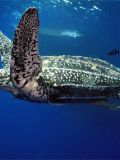
A nice way to catch sights of the howler and capuchin monkeys is by taking a walk along the area that surrounds the beach since this is where they come to feed. One particular hiking trail here takes visitors to a large cage where old and physically incapacitated spider monkeys can be spotted. Spider monkeys were on the brink extinction in the region and a successful reintroduction program has brought them back into the forests of Curu. Enjoy sights of beach sea turtles like pacific ridley, hawksbill, and the spectacular natural phenomenon of the green sea turtles laying their eggs while you are on Curu’s immaculate coast.
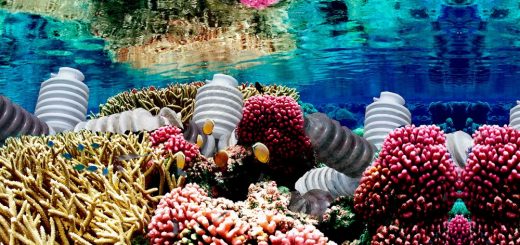
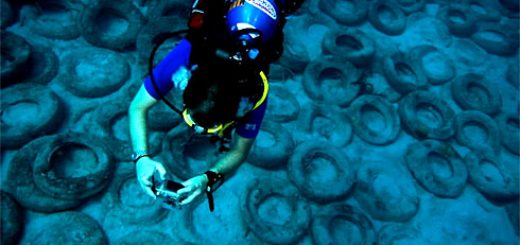
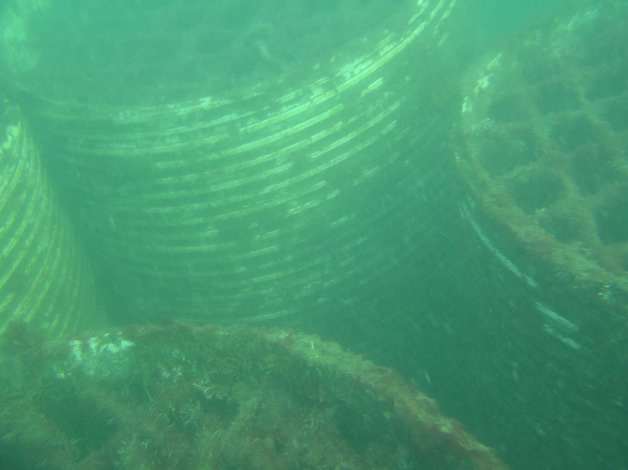
Several simulated reefs have been created on the Curu bay that have helped to augment the population and diversity of the marine life on the coast. The mangrove swamps is of great significance to the marine ecosystem of the region. This is the breeding grounds for several Pacific fish species, and plenty of water birds feed that take recourse in the mangroves.
There are more than 500 plant species of flora that contributes to the Curu ecosystem. The vegetation here is a combination of deciduous and eternally green species. Some of the plantations Curu’s forests includes the silk cotton, the Panama and the redwood.
The primary hiking trails here include the Monkey Trail, Lagoon Trail and Quesera Trail . Visitors can walk along the main road from the park’s entrance for a quiet walk leading to the beach. Monkey Trail is a simple walk and great trail for wildlife aficionados. The best time to walk is early in the day between 7 and 8, when most animals are roaming about for their food and drink fix. The hike ends at Curu’s famed Monkey Sanctuary. Posa Colorado is simple for the initial 500 metres until the point where visitors can catch spectacular view of the reserve. This is where you can catch a spectacular vantage point view of the bay of Curu with the Tortuga Islands bang opposite you. After this vantage view spot, the hike gets more challenging. After a strenuous hike of 1.5 km hike along the steep hill one arrives at the isolated bay of Posa Colorado.
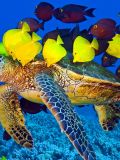
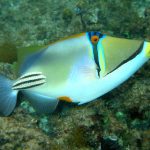
On the park’s silver sand beaches, Leatherback Turtles and Olive Ridley Turtles whose numbers has dwindled in the last few years can be seen during the nesting season as they go about laying their eggs. Near Curu Bay is the Turismo Curu, where visitors can book for a horseback ride, walking trail adventures and other guided tours. There are boats available that can take you to traverse the water or indulge in enjoyable trips to Tortuga Island which is 3 miles away from the bay, and other beaches on the park. In Curu Park, visitors will be amazed by the spectacular underwater treasures . Tortuga Island is known to have some of the best snorkeling and scuba diving sites of the Costa Rican Pacific Coast. Gear up and dive in to view the schools of King Angel Fish, Damsel Fish, Cortez Angel Fish and numerous others. Do not forget to bring your swimsuits, the Curu Park offers amazing aquatic condition for swimming.
The basic cabins at Curu have solar power and are housed along the photogenic and serene Curu beach and bay. The waves splash up to within 50 meters of each cabin. They are relaxing and give the visitor the chance to enjoy the lush refuge in the early hours of the day and late evenings when the wildlife is most active. More contemporary accommodations are available in Paquera and Tambor, within 10 to 15 km of Curu.
Other attractions in the Curu Biological Reserve include kayaking in the beautiful Bay of Curu, snorkeling, and day trips to the beautiful Tortuga Islands. Kayak and camping trips at Playa Quesera can be also be organized for visitors on prior intimation.
More Information
http://www.costaricajourneys.com/curu-wildlife-reserve/